Home / Utilities and Easements Under a Gate Path
Utilities and Easements Under a Gate Path
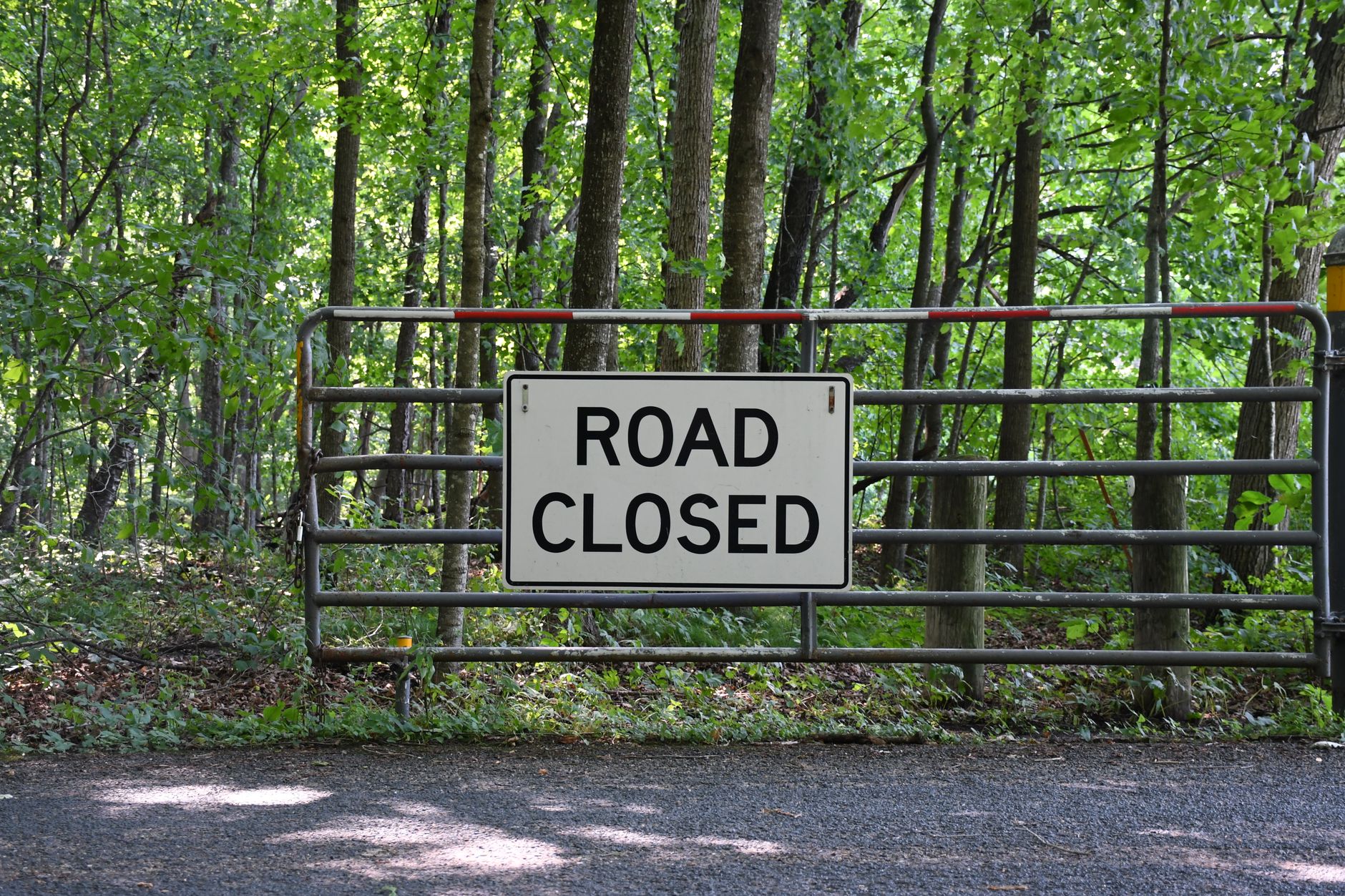
Before a gate is placed, the ground under its path should be checked for buried utilities and recorded easements, because a post hole through a water, gas or electric line is dangerous and costly, and a gate inside an easement can be ordered removed. The check costs nothing but time and happens before any digging.
The front of a residential lot is crowded. Water and sewer service lines, a gas line, electric service, telephone and internet cables, irrigation pipes and sometimes a private drainage line all cross the strip where a gate stands. Meters and cleanouts sit at the edge of the pavement. A gate project touches all of them.
What an easement is
An easement is a legal right for someone other than the owner to use a strip of land for a stated purpose. Utilities hold easements for lines, the city holds them for drainage and sidewalks, and neighbors sometimes hold them for access. The owner still owns the land, but cannot block the easement's purpose. Structures inside an easement may be removed by the holder at the owner's cost.
The plat for a subdivision shows its easements as dashed bands, labeled with their width and sometimes their type. A typical strip along the front of a lot is ten feet or more, and strips along side and rear lines are narrower. The plat is the first place to look, and the county records are the source.
Reading the survey
A boundary survey prepared at purchase shows the same easements, plus any that were recorded later. Compare it to the plat. Items to check include the width of each strip, the type of easement and any notes about restrictions on fences or gates. Some utilities allow fences but not gates that need footings, while others allow neither without permission.
Dealing with the locate service
Texas law requires anyone who digs to notify the statewide locate system before starting, and utilities then mark the approximate position of their lines with paint and flags. The request is made by phone or online and the marks are normally placed within a couple of working days. Colors indicate the type of line: red for electric, yellow for gas, blue for water, green for sewer and orange for communication.
Marks are approximate. The usual guidance gives a tolerance zone on each side of a marked line, within which digging must be done by hand or with careful methods such as vacuum excavation. Do not start the auger until the marks are in place. If the marks fade or are removed by rain or mowing, request an update.
Private lines are not marked by the utilities. Irrigation lines, lighting wire, a private gas line to a grill and a drainage pipe installed by a former owner are all invisible to the locate service. Walk the area, look for sprinkler heads and valve boxes, and probe the likely post positions with a thin rod before digging.
Meters and cleanouts at the property edge
Water meters, gas meters and sewer cleanouts must remain reachable. A leaf that swings over a meter box, or a post set so close that a technician cannot open the lid, creates a conflict. Utilities need clear access, usually a few feet around a box, and a gate that blocks it may be refused or forced to move. Locate each box on the site plan, and keep the arc and the footing clear of them.
Drainage easements and the flow of water
Properties near Brushy Creek and its tributaries sometimes carry drainage easements that exist to move storm water. A solid footing or a closed bottom rail across such a channel acts like a dam. If the gate must cross a drainage path, the design can raise the bottom rail well above the channel, use open bars that let debris pass, or place posts outside the flow. The city drainage group can say what it allows.
Power and control wiring
The gate's own wiring also needs a route. Power to an operator and low voltage wires to a keypad or sensors are normally installed in conduit buried in a trench across the driveway. The trench must avoid existing lines, keep a safe separation from gas and water, and be deep enough to be protected from vehicles. Mark the route on the site plan and request a locate before the trench is dug.
- Use conduit sized for future wires, since pulling new cable later is easier than trenching again.
- Keep high voltage and low voltage runs separate, as the electrical code requires.
- Seal conduit ends to keep out water, insects and soil.
- Photograph the open trench with a tape measure for the record before backfilling.
When a conflict is found
If a line or an easement crosses the planned post location, there are several fixes. The post can shift, within the limits of the opening. The gate style can change, for instance from a swing gate with two heavy footings to a cantilever slide gate whose footings sit elsewhere. A utility can sometimes relocate a line, though the owner usually pays. A written encroachment agreement can allow a structure inside an easement in exchange for accepting the risk of removal. Each of these requires a conversation with the holder before work begins.
Documenting what was found
Keep the locate ticket number, photographs of the marks and a sketch of the lines in the project file. If a later problem arises, such as a service interruption near the gate, the record shows what was known and when. It also helps the next owner who wants to change or repair the gate.
Working with neighbors on shared edges
Some easements and utilities sit on or near the boundary between two lots, and a gate project that touches that edge may affect a neighbor. A shared driveway, a common drainage swale or a joint fence line all call for a conversation before work starts. A short, friendly note with a copy of the drawing lets the neighbor ask questions and raises objections early, when they are easy to resolve.
Where a neighbor has a right of access across the lot, the gate must preserve it. That may mean leaving the gate open during certain hours, giving a key or a code, or setting the gate back so that the shared strip stays outside it. Put any agreement in writing and keep it with the deed records.
The same courtesy applies to service providers. A technician who comes to read a meter or repair a line should find a clear path and a lock that can be opened. Leaving a note with the gate code on file with each utility is a small step that prevents locked out crews and missed service calls.
For more planning topics around a gate project, including approvals, timing and layout, the full set of local articles is available at metal gates cedar park works.